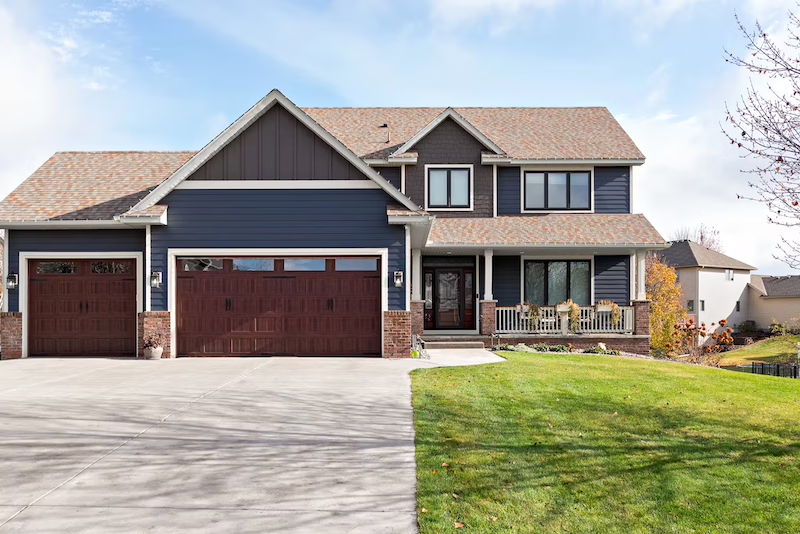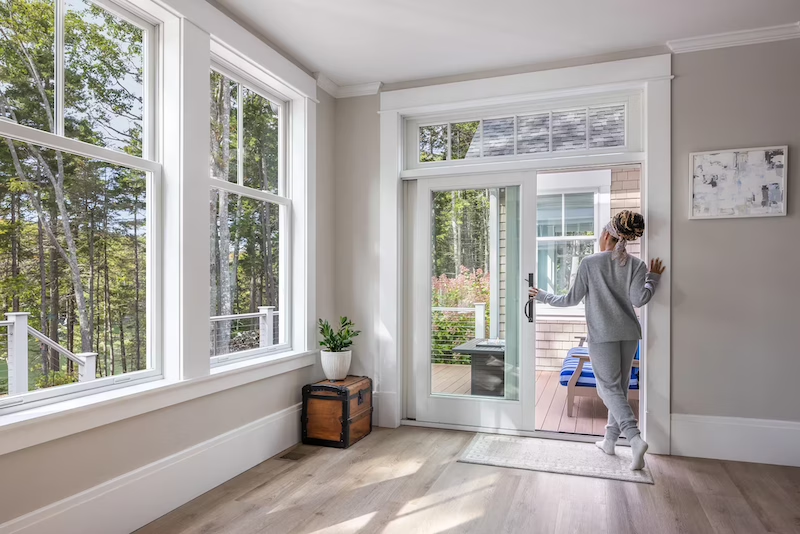

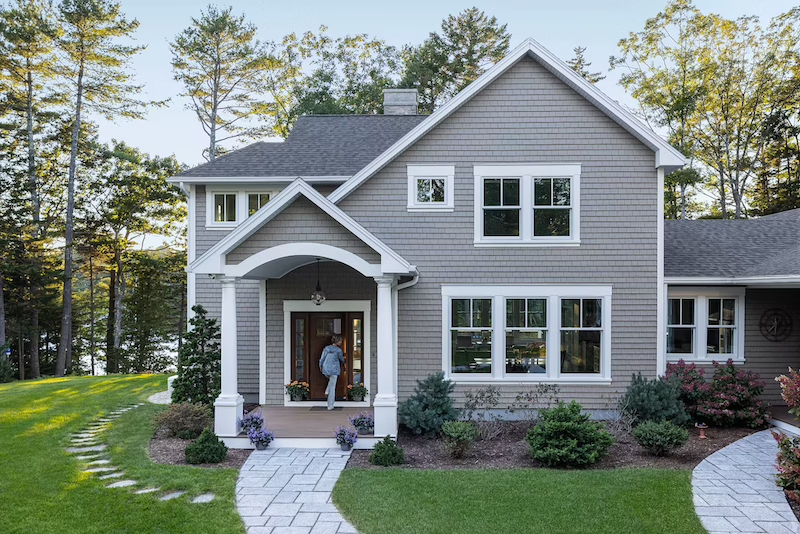
When it comes to home improvements in Chicago, few projects deliver the immediate impact and long-term value of professional window installation. But here’s what separates successful window installation chicago projects from disasters: proper installation matters more than the windows themselves. The highest-quality window improperly installed will perform worse than a mid-grade window expertly installed.
Last winter in Chicago, we saw temperatures plunge to -15°F for extended periods. During that brutal cold snap, the difference between properly installed windows and poorly installed ones wasn’t just comfort—it was hundreds of dollars in wasted heating costs. Homeowners with professional window installation chicago experienced comfortable homes with reasonable energy bills, while those who chose cheap installation or DIY attempts battled ice dams, drafts, and sky-high utility bills.
This comprehensive guide reveals everything Chicago homeowners need to know about window installation, from understanding the process and costs to choosing the best window installer for your specific needs. Whether you’re planning a whole-home project or replacing a few problematic windows, you’ll learn how to ensure your investment delivers maximum value.
Why Professional Window Installation Matters in Chicago
Chicago’s extreme climate makes professional window installation absolutely critical. Our temperature swings, freeze-thaw cycles, and wind exposure create unique challenges that require expert knowledge and experience.
The Cost of Poor Installation
Improperly installed windows cause immediate and long-term problems. Air leaks waste 25-40% of your heating and cooling costs, potentially costing $500-$1,500 annually for a typical Chicago home. Water infiltration leads to structural damage including rotted framing, mold growth, and deteriorated insulation. Improper installation voids manufacturer warranties, leaving you without protection when windows fail. Operational issues create windows that stick, won’t lock, or fail to open for emergency egress.
Beyond these technical problems, poor installation reduces your home’s value. Home inspectors and savvy buyers immediately spot installation quality issues, potentially costing you thousands at resale.
What Professional Installation Delivers
The best window installation chicago contractors provide expertise that protects your investment. Proper weatherization and air sealing prevent energy loss and drafts. We strictly adhere to Window and Door Manufacturers Association installation standards to guarantee longevity. Correct flashing installation prevents water infiltration and structural damage. Precise shimming and leveling ensures windows operate smoothly for decades. Code compliance meets all Chicago Department of Buildings permit requirements and safety standards. Warranty protection keeps manufacturer warranties valid and enforceable.
Professional window installation service also includes structural assessment to identify and repair hidden damage before new windows are installed, saving you from future costly repairs.
Understanding Window Installation vs. Window Replacement
Many homeowners confuse these terms, but the distinction matters significantly in Chicago.
New Window Installation (New Construction)
This applies to new home construction or room additions where windows are installed into rough openings with no existing windows. The process involves installing complete window units with nailing fins directly into rough framing, building from scratch with no removal of existing materials, and typically faster installation since there’s no demolition work.
Window Replacement (Retrofit or Full-Frame)
This is what most Chicago homeowners need—specifically, professional window replacement services. Two primary methods exist:
Retrofit (insert) installation fits new windows into existing frames. This method is faster and less expensive, requires minimal exterior work, leaves existing trim in place, but reduces glass area slightly and may not address structural issues or poor original installation.
Full-frame replacement removes everything down to the rough opening including the entire existing window and frame. This allows inspection and repair of structural issues, proper flashing and weatherization from scratch, maximum glass area in new windows, and opportunity to resize or reconfigure openings. While more expensive and time-intensive, it’s generally recommended for Chicago homes over 30 years old.
For most home window installation chicago projects involving older homes, full-frame replacement delivers superior results and long-term value despite higher upfront costs.
The Professional Window Installation Process
Understanding what to expect helps you prepare your home and evaluate contractor quality. We follow strict protocols aligned with Department of Energy proper window installation guidelines to ensure efficiency.
Step 1: Initial Consultation and Measurement
A reputable window installation service sends experienced technicians—not salespeople—to your home. They measure every window opening precisely (often taking measurements at multiple points since older homes rarely have perfectly square openings), assess existing frame condition and structural integrity, identify water damage or rot requiring repair, evaluate accessibility and installation challenges, and discuss your goals, preferences, and budget.
Red flag: Companies providing quotes without visiting your home or measuring windows personally. Accurate measurements are impossible without on-site assessment, especially in Chicago’s older housing stock.
Step 2: Window Selection and Ordering
Based on measurements and your preferences, you’ll select windows that match Chicago’s climate requirements. The best window installation chicago professionals help you choose appropriate window types (double-hung, casement, sliding, etc.), energy efficiency features (Low-E coatings, gas fills, U-factors), materials (vinyl, fiberglass, wood-clad), and styles that match your home’s architecture.
Custom windows are manufactured to your exact specifications. Lead times typically run 2-6 weeks depending on material choice, customization requirements, and manufacturer workload.
Step 3: Pre-Installation Preparation
Before installation day, quality contractors communicate clear expectations about timing and schedule (specific dates and time windows), preparation requirements (clearing furniture, removing window treatments), access needs (driveway space for trucks, interior access paths), and expected duration.
You should prepare by removing window treatments (curtains, blinds, shades), clearing furniture and decorations from window areas, protecting floors and nearby items, securing pets, and planning temporary alternative living arrangements if needed (though most can stay home during installation).
Step 4: Installation Day(s)
Professional new window installation follows systematic steps ensuring quality results.
First, contractors establish workspace with floor protection, furniture covering, and organized staging area for materials and tools. Then careful removal begins, extracting existing windows while preserving reusable trim when possible and disposing of old windows properly.
Frame inspection and repair comes next. Technicians examine rough openings for water damage, rot, or structural issues, make necessary repairs to framing and sheathing, and install proper flashing and weatherproofing membranes.
Window installation proceeds with precise shimming and leveling ensuring windows are perfectly plumb and square, secure fastening per manufacturer specifications and building codes, proper insulation around frames using low-expansion foam, comprehensive air sealing to prevent drafts and energy loss, and exterior caulking and weatherproofing creating watertight seals.
Finally, interior and exterior trim work completes the installation by installing or reinstalling trim pieces, filling nail holes and gaps, caulking where appropriate, and painting or finishing trim as needed.
Step 5: Quality Inspection and Testing
The best window installer conducts thorough final inspections. Each window is tested for operation (smooth opening and closing, secure locking), level and plumb alignment using bubble levels, proper sealing checked around all edges, drainage ensured through weep holes, and both interior and exterior finishing quality verified.
Homeowners should personally test every window before contractor departure, operate each window multiple times checking for smooth operation, verify secure locking mechanisms, inspect seal quality around frames, check trim and finish quality, and confirm understanding of operation and maintenance.
Step 6: Cleanup and Final Walkthrough
Professional contractors complete disposal of all old windows and materials, thorough workspace cleanup with vacuuming and debris removal, final walkthrough with homeowner addressing questions, and warranty documentation and care instructions provided.
How Much Does Window Installation Cost in Chicago?
Understanding pricing helps you budget appropriately and recognize fair value versus overpricing. For a complete look at numbers, see our detailed window installation cost breakdown.
Installation Cost Breakdown
Total window installation chicago costs include the window unit itself (60-70% of total cost), installation labor (25-35% of total cost), permits and fees (1-3% of total cost), and additional materials like flashing, insulation, trim, and fasteners (2-5% of total cost).
Average Pricing (2026)
Standard double-hung vinyl windows cost $450-$650 installed including materials and labor. Large or specialty windows (bay, bow, casement, picture) run $800-$1,200 installed. Premium materials like fiberglass or wood-clad windows cost $900-$1,500 installed depending on size and features.
Labor-only costs (if you provide windows) range from $150-$300 per window depending on complexity, accessibility (ground floor vs. second story), structural repairs needed, and whether full-frame or retrofit installation is required.
Whole-Home Project Costs
Small homes with 10-12 windows cost $5,500-$9,000 total. Medium homes with 15-20 windows run $8,500-$15,000 total. Large homes with 25+ windows cost $14,000-$30,000+ total depending on window sizes and types.
Volume discounts apply when replacing multiple windows simultaneously, typically saving 15-20% compared to individual window pricing.
Factors Affecting Installation Costs
Window size and type significantly impact pricing—larger windows require more labor and specialty shapes increase complexity. Installation complexity matters too: second-story or difficult access increases costs by 20-40%, structural repairs add $200-$1,000+ per window, and custom trim work adds $150-$400 per window.
Seasonal timing affects pricing as well. Peak season (summer) brings 10-15% premium pricing while off-season (winter) sometimes offers 5-10% discounts, though weather delays are more likely.
Best Windows for Chicago Weather
Not all windows perform equally in Chicago’s challenging climate. We provide several energy-efficient window options for Chicago homes that are specifically designed to withstand our local weather.
Essential Features for Chicago
Low-E coatings are non-negotiable. These microscopic metallic coatings reflect heat, keeping warmth inside during brutal winters and reflecting solar heat outside during hot summers. Choose Low-E² or Low-E³ coatings specifically designed for northern climates.
Argon or krypton gas fills between panes provide superior insulation compared to air. For Chicago, argon is standard and cost-effective, while krypton offers slight additional performance at premium pricing.
Multi-pane construction is critical. Double-pane is the minimum acceptable standard, while triple-pane offers superior performance for north-facing exposures, bedrooms requiring noise reduction, and lakefront properties with extreme exposure.
U-Factor ratings measure heat transfer—lower is better. Target U-Factor ≤ 0.30 for Chicago, with ≤ 0.25 being ideal for maximum efficiency.
SHGC (Solar Heat Gain Coefficient) should be moderate around 0.30-0.40 for Chicago to balance beneficial winter solar gain with summer heat rejection.
Best Materials for Chicago
Vinyl windows are the most popular choice and offer excellent value. They resist moisture damage during humid Chicago summers, handle freeze-thaw cycles without deterioration, never rot or require painting, provide excellent insulation with multi-chamber frames, and deliver 20-30 year lifespan with minimal maintenance.
Fiberglass windows represent premium performance with strongest material available, minimal expansion/contraction despite temperature extremes, ability to be painted if desired, superior energy efficiency, and 30-40+ year lifespan. They’re ideal for harsh lakefront exposure or homeowners prioritizing maximum durability.
Wood-clad windows combine traditional aesthetics with modern performance. They feature wood interior for beauty and customization, vinyl or aluminum exterior for weather protection, excellent insulation properties, and suitability for historic districts. However, they require higher investment and periodic interior maintenance.
Recommended Window Styles
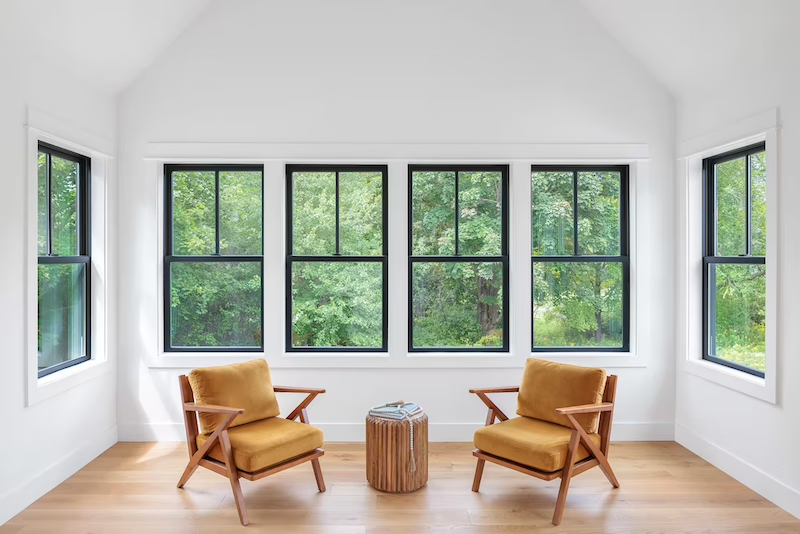
Double-hung windows are Chicago’s most common style offering traditional appearance, easy operation and cleaning, excellent ventilation control, and good energy efficiency when properly installed.
Casement windows provide superior energy efficiency with compression seals when closed, excellent ventilation options, easy operation with crank mechanisms, and modern contemporary appearance.
Sliding windows work well for wider openings requiring large glass areas, easy operation without cranks, and cost-effective pricing for size.
ENERGY STAR Northern Zone Certification
Always verify ENERGY STAR window specifications for Northern climate zones. This ensures windows are optimized for Chicago’s climate with proper U-Factor and SHGC ratings, tested performance meeting strict efficiency standards, and eligibility for potential utility rebates and tax credits.
Choosing the Best Window Installation Company in Chicago
Contractor selection determines project success or failure. Here’s how to choose wisely.
Essential Qualifications
Verify proper licensing and insurance including Illinois contractor registration, City of Chicago business license, general liability insurance with $1M minimum coverage, and workers’ compensation insurance protecting you from liability.
Demand local presence and experience with physical Chicago-area location (not just PO box), minimum 5 years installing windows in Chicago specifically, knowledge of Chicago building codes and permit processes, and experience with Chicago’s common architectural styles.
Look for manufacturer certifications indicating the contractor is certified by major window manufacturers, trained in proper installation techniques, qualified for warranty work, and has access to technical support.
Require comprehensive warranties including product warranties (manufacturer-backed, typically 10-20 years), labor warranties (contractor-backed, minimum 2 years, preferably 5-10 years), and written warranty documentation before work begins.
Red Flags to Avoid
Run from high-pressure sales tactics including “this price expires today” ultimatums, requests for full payment upfront (standard is 30-50% deposit), “working in your neighborhood” cold calls, unusually low bids (40%+ below competitors suggesting corner-cutting), no licensing or insurance verification, unwillingness to provide references, and no written contract with detailed scope of work.
Questions to Ask Every Contractor
Critical questions include: “How long have you specifically been installing windows in Chicago?”, “Can you provide references from recent Chicago projects in my neighborhood?”, “What’s your typical installation timeline for a project my size?”, “Do you use your own employees or subcontractors?”, “How do you handle unexpected structural damage discovered during installation?”, “What specific weatherization and air-sealing techniques do you use?”, “What warranties do you provide on labor?”, and “Can you provide proof of licensing and insurance?”
Frequently Asked Questions
How much to install a window in Chicago?
Window installation in Chicago typically costs $450-$1,200 per window including materials and professional installation. Standard double-hung vinyl windows cost $450-$650, while specialty windows like bay, bow, or casement styles run $800-$1,200. Installation labor alone ranges from $150-$300 per window depending on complexity, accessibility, and structural requirements. Total costs include window unit, installation labor, weatherproofing, trim work, permits, and disposal of old windows for complete professional service.
How long does window installation take?
Professional window installation takes 2-4 hours per window on average in Chicago. A whole-home project with 15-20 windows typically requires 2-3 full days. Single window replacements can be completed in 2-3 hours. Factors affecting timeline include window size and type, structural repairs needed, accessibility challenges, weather conditions, and whether it’s full-frame or retrofit installation. Most homeowners can remain in their homes during installation with minimal disruption to daily routines.
What are the best windows for Chicago weather?
The best windows for Chicago weather are double or triple-pane vinyl or fiberglass windows with Low-E coatings, argon gas fills, and U-factors of 0.30 or lower. These features handle Chicago’s extreme temperature swings from -10°F winters to 95°F summers. Look for ENERGY STAR Northern Zone certification, warm-edge spacers, quality weatherstripping, and multi-chamber frames. Vinyl windows offer best value and durability for Chicago’s freeze-thaw cycles, while fiberglass provides premium performance for harsh lakefront exposure.
Do I need a permit for window installation in Chicago?
Yes, Chicago requires building permits for window installation projects. Permits typically cost $100-$300 depending on project scope and ensure work meets building codes and energy efficiency standards. Professional window installation service handles permit applications as part of their offering. Attempting unpermitted work can result in fines, voided insurance, and complications at home resale.
Can windows be installed in winter in Chicago?
Yes, professional contractors can install windows year-round in Chicago using proper techniques. This includes installing one window at a time to minimize heat loss, using cold-weather sealants designed for low temperatures, scheduling during milder winter days above 20°F when possible, and providing heated enclosures for exterior work. However, spring and fall offer optimal installation conditions with moderate temperatures and lower risk of weather delays.
What’s the difference between retrofit and full-frame installation?
Retrofit installation inserts new windows into existing frames, which is faster and less expensive but reduces glass size slightly and may not address structural issues. Full-frame installation removes everything down to the rough opening, allowing inspection and repair of structural damage, proper weatherization from scratch, and maximum glass area. For Chicago homes over 30 years old, full-frame installation is generally recommended for optimal long-term performance and value.
How do I prepare my home for window installation?
Prepare by removing window treatments like curtains, blinds, and shades, clearing furniture and decorations from window areas and creating access paths, protecting nearby floors and items with drop cloths, securing pets in separate areas away from work zones, and planning for minor disruption to daily routines. Professional contractors will provide specific preparation instructions during your consultation.
Ready for Professional Window Installation?
At Chicago Window Girl, we’re the window installation service Chicago homeowners trust for quality, transparency, and expertise. We’ve been installing windows in Chicago neighborhoods for years, and we understand the specific challenges your home faces. Contact us now for your free installation quote. Let’s transform your Chicago home with professional window installation service you can trust for comfort, efficiency, and lasting value.